Emergency Fund: How to Build Your Financial Safety Net Today
Emergency fund planning is the cornerstone of a healthy financial life, yet many people realize its importance only when a crisis hits. Imagine your washing machine breaking down after years of faithful service. You call a repair technician, only to find out the cost of fixing it outweighs the price of a new one. In that moment, you face a choice: do you spiral into debt, or do you confidently dip into your savings? This is exactly why having a dedicated stash of cash is essential for peace of mind.
Why You Need an Emergency Fund Right Now
An emergency fund serves as a buffer between you and the unexpected obstacles life throws your way. Whether it is a broken appliance, a medical emergency, or a sudden job loss, having liquid cash prevents you from falling into the trap of high-interest credit or overdraft fees.
Many people spend months depressed because their bank account remains in the negative after a single bad break. By prioritizing financial independence, you ensure that when an emergency happens, it’s merely an inconvenience rather than a catastrophe.
How Much Should You Save?
The general rule in personal finance is to save between three to six months of your living expenses. However, this isn’t a one-size-fits-all number.
-
For Salaried Employees: Aim for at least 3 months to cover basics like rent, utilities, and groceries.
-
For Freelancers and Entrepreneurs: You should aim for a 12-month runway. Since income can be inconsistent, having a larger safety net is vital.
-
Calculating Your Goal: Total up all your monthly outflows. Exclude non-recurring expenses (like that one-time phone purchase) and focus on what you need to survive.
Where to House Your Savings for Quick Access
When dealing with an emergency fund, accessibility is key. You cannot afford to wait 32 days for a notice account or wait for the stock market to recover during a medical crisis. You need “instant” or “near-instant” access.
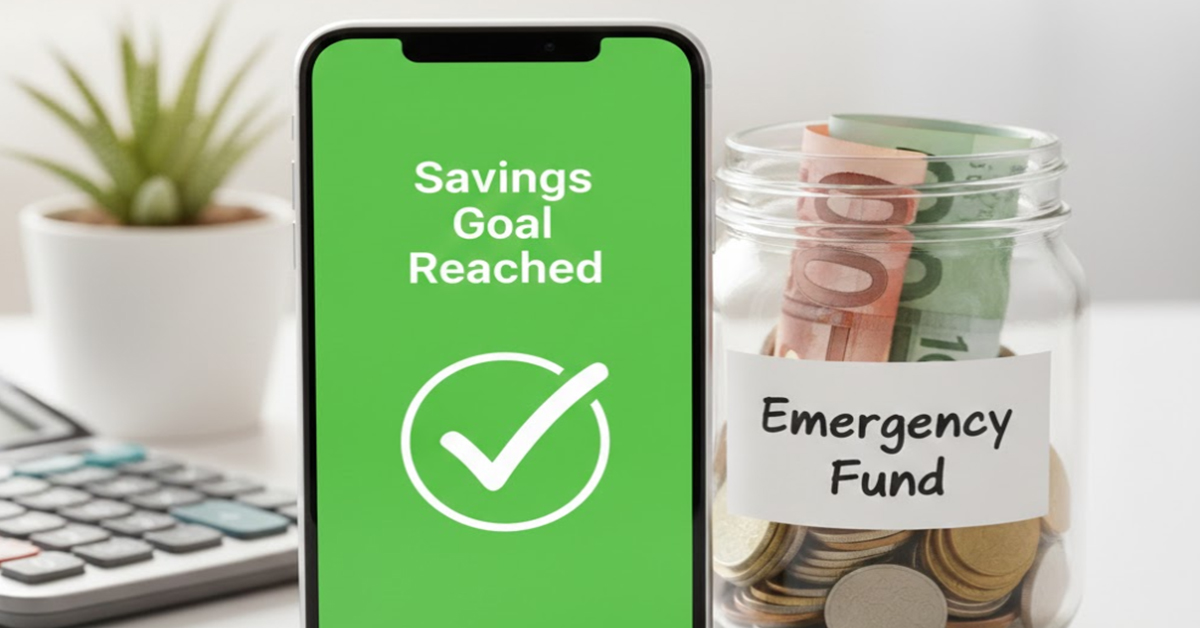
Many savers find success using the Frank app. It allows you to set specific goals and choose a “cash fund” strategy. This keeps your money in the money market—the “safe zone”—rather than volatile equities. Using a specialized tool like the Frank app also helps keep the money “out of sight, out of mind” so you aren’t tempted to spend it on Friday night wings.
Benefits of High-Interest Savings
While accessibility is vital, you also want your money to work for you. Utilizing high-interest savings accounts or money market funds ensures that your fund grows slightly over time, keeping pace with inflation while remaining stable.
10 Practical Steps to Build Your Safety Net
Building a fund from scratch can feel overwhelming, but these personal finance tips will help you reach your goal:
-
Calculate Your Target: Determine exactly how much 3 months of life costs.
-
Be Realistic: Use apps or spreadsheets to see how long it will take to reach that goal based on your current income.
-
Choose the Right House: Decide between your transactional bank or a separate platform.
-
Start Small: Consistent small amounts (even $20 or $50) are better than waiting for a windfall.
-
Use Extra Cash: Direct tax returns or bonuses straight to your fund.
-
Define an “Emergency”: Decide now that a concert ticket is not an emergency.
-
Automate Transfers: Set it and forget it.
-
Avoid Temptation: Move the money away from your daily debit card.
-
Celebrate Milestones: When you save one month of expenses, acknowledge the achievement!
-
Review Annually: As your life gets more expensive, your fund needs to grow too.
Conclusion: Start Your Journey to Financial Freedom
Building an emergency fund is a gift to your future self. It turns a “broken washing machine” moment into a proud realization of your own financial discipline. Once your fund is full, you gain the freedom to actually play and invest in the stock market with confidence.
Are you ready to stop worrying about the “what ifs”? Leave a comment below letting us know how many months of living expenses you currently have saved, and start your Emergency Fund today!