
Table of Contents
-
Introduction: Samsung’s Strategic Gambit in the 2nm Era
-
I. The Imperative: Rebuilding Trust After the 3nm Setback
-
The Foundry Challenge: Competing with TSMC
-
The Need for a Showcase Product
-
-
II. Introducing the Exynos 2600: Samsung’s 2nm Standard-Bearer
-
Targeting Performance and Efficiency
-
The Focus on Thermal Stability
-
-
III. The Breakthrough Technology: Heat Path Block Packaging
-
What is Heat Path Block?
-
The Architectural Shift: Relocating DRAM
-
Quantifiable Thermal Improvement
-
Why Apple and Qualcomm Are Watching Closely
-
-
IV. The Strategy for Foundry Supremacy (2nm Orders)
-
Leveraging Consumer Products for Foundry Validation
-
The Critical Role of Exynos 2600’s Success
-
-
V. Comparing the Packaging Approaches: A New Era of Thermal Management
-
Table: Comparison of Traditional vs. Heat Path Block Packaging
-
-
VI. Challenges and Future Outlook
-
The Cautious Approach to 2nm Yields
-
The Long-Term Goal: Securing Major Client Trust
-
Introduction: Samsung’s Strategic Gambit in the 2nm Era
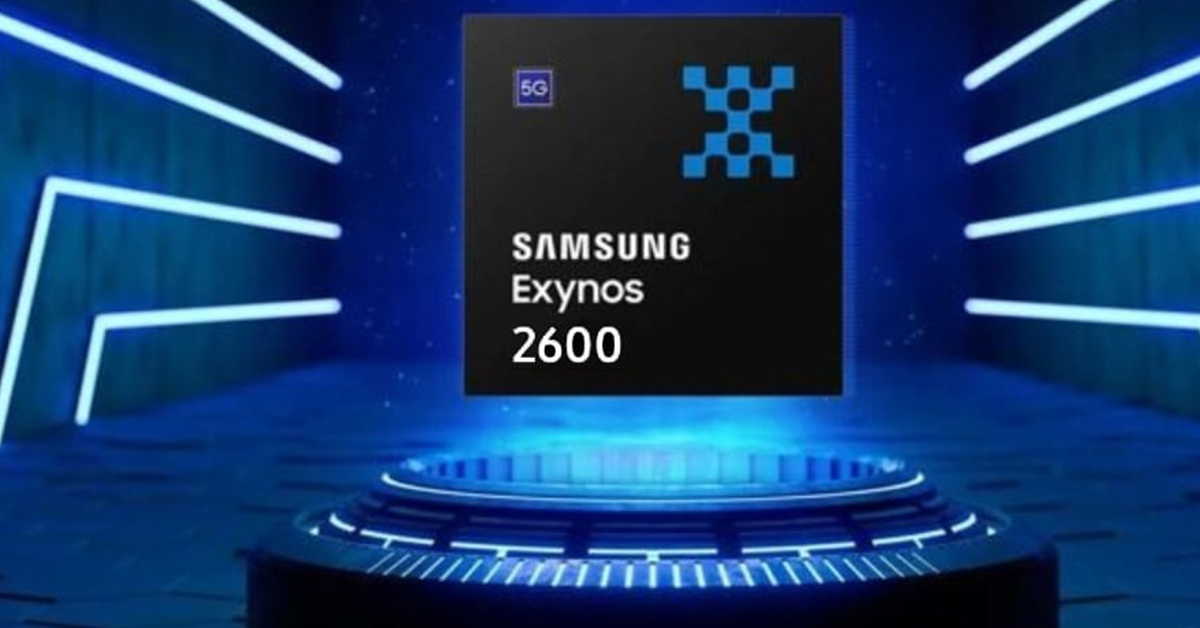
The global race to produce the most advanced semiconductor chips is intensifying, and Samsung is poised to make a dramatic comeback. The Korean tech giant is utilizing its upcoming flagship chipset, the Exynos 2600 (2nm Chip), not just as the brain for its next generation of mobile devices, but as the primary instrument to showcase the superiority of its advanced 2-nanometer (2nm) fabrication process. This move is a direct and aggressive play to regain the trust of major clients like Apple and Qualcomm and challenge the dominance of its formidable Taiwanese rival, TSMC. The Exynos 2600 is less a mere processor launch and more a strategic foundry weapon designed to prove Samsung’s technological mastery in the high-stakes world of cutting-edge chip manufacturing.
I. The Imperative: Rebuilding Trust After the 3nm Setback
The Foundry Challenge: Competing with TSMC
Samsung’s semiconductor manufacturing arm, Samsung Foundry, has faced considerable challenges, particularly with its transition to 3nm production. The company reportedly struggled to secure high-volume orders for its 3nm process, leading major chip designers to continue relying heavily on TSMC. The core issue cited by industry experts and chip designers often revolved around concerns regarding yield stability, consistency in performance, and thermal management.
The Need for a Showcase Product
To reverse this trend and secure lucrative 2nm orders, Samsung Foundry is under intense pressure to deliver a demonstrably flawless product. The Exynos 2600 is intended to be that product—a benchmark proving that Samsung’s new 2nm process offers superior performance, enhanced stability, and, critically, better power efficiency than previous generations. It must serve as irrefutable evidence that Samsung has resolved its past thermal and stability concerns.
II. Introducing the Exynos 2600: Samsung’s 2nm Standard-Bearer
The Exynos 2600 is expected to power Samsung’s flagship smartphones, positioning it directly against the chips designed by Apple (A-series) and Qualcomm (Snapdragon). However, the chip’s strategic significance extends far beyond mobile performance reviews.
Targeting Performance and Efficiency
The move from 3nm to 2nm promises significant density improvements, allowing more transistors to be packed into the same area. This inherently translates to better performance and reduced power consumption, which are vital for enhancing battery life in mobile devices. The Exynos 2600 must maximize these benefits to stand out in the competitive landscape.
The Focus on Thermal Stability
The Achilles’ heel of previous Exynos generations was often reported as overheating and thermal throttling, which led to inconsistent performance under sustained load. Korean reports suggest that to tackle this head-on, Samsung has introduced a groundbreaking cooling solution integrated directly into the chip’s packaging. This aggressive focus on thermal stability is the key feature that has reportedly drawn the interest of both Apple and Qualcomm.
III. The Breakthrough Technology: Heat Path Block Packaging
Samsung is boldly claiming that it has solved its long-standing thermal issues through a proprietary packaging technology called “Heat Path Block.”
What is Heat Path Block?
The core principle of the Heat Path Block technology is to create a highly efficient, direct thermal pathway to dissipate heat away from the Application Processor (AP), the heart of the mobile chip.
-
Direct Copper Heatsink Integration: The technology involves directly mounting a copper heatsink onto the very top surface of the mobile chip (AP).
-
Faster Heat Dissipation: By ensuring direct contact between the heatsink and the main processing chip, the thermal transfer is significantly accelerated, allowing heat to be expelled much more quickly.
The Architectural Shift: Relocating DRAM
Achieving this direct contact required a fundamental redesign of the chip’s internal architecture, specifically concerning the memory component (DRAM).
-
Traditional Stacking: Previously, DRAM modules were often stacked directly on top of the main processor (Package on Package – PoP), creating an insulating layer that trapped heat around the AP.
-
The Relocation: With Heat Path Block, Samsung has moved the DRAM modules to the side of the main chip. This crucial architectural shift clears the top surface, enabling the heatsink to make unimpeded, direct contact with the most thermally active part of the processor.
Quantifiable Thermal Improvement
Samsung is backing its claim with concrete figures. Internal testing reportedly indicates that this new cooling methodology results in an improvement of up to 30% in heat control compared to previous Exynos cooling systems. This level of thermal efficiency is a major differentiator that could immediately alleviate the concerns that drove major clients to TSMC.
Why Apple and Qualcomm Are Watching Closely
Apple and Qualcomm, while currently dominant, are always seeking manufacturing partners that can push the limits of performance and yield. The reported instability and overheating issues with Samsung’s previous generations were primary reasons for their exclusive reliance on TSMC. If the Exynos 2600 can convincingly demonstrate superior, sustained thermal performance and stability in consumer devices, it creates a viable, competitive dual-sourcing option for these giants, reducing their reliance on TSMC and potentially leading to better pricing and supply security.
IV. The Strategy for Foundry Supremacy (2nm Orders)
Leveraging Consumer Products for Foundry Validation
For Samsung, the Exynos 2600 represents the first major opportunity to demonstrate its 2nm manufacturing capabilities in a commercially available consumer product. This serves as a real-world validation test:
-
Trust Building: Successful adoption and positive reviews regarding the Exynos 2600’s heat and performance stability in millions of consumer phones will be the most persuasive argument for potential foundry clients.
-
Showcasing Yield: High volumes of successfully manufactured Exynos 2600 chips will naturally demonstrate strong 2nm yield rates, a crucial metric for chip designers.
The Critical Role of Exynos 2600’s Success
Samsung’s long-term goal is not just to sell its own phones, but to establish itself as the preferred alternative to TSMC for advanced nodes. If the Exynos 2600 delivers the targeted thermal and performance improvements, it will significantly boost Samsung’s chances of winning future 2nm orders from key players. This is the single most important step for Samsung to reclaim its position as a true powerhouse in high-end chip manufacturing.
V. Comparing the Packaging Approaches: A New Era of Thermal Management
The implementation of the Heat Path Block technology fundamentally changes the thermal dynamics compared to conventional packaging methods:
The Cautious Approach to 2nm Yields
Despite the revolutionary cooling technology, Samsung remains cautious, mindful of its earlier 3nm struggles. The successful performance of the Exynos 2600 will be heavily dependent on consistent high yields from the 2nm manufacturing line itself. Any issues with the underlying fabrication process could still negate the benefits of the sophisticated packaging.
The Long-Term Goal: Securing Major Client Trust
The ultimate measure of success for this initiative will be Samsung’s ability to win back the confidence of large, influential customers like Apple and Qualcomm. If the Exynos 2600 proves to be a durable, efficient, and stable chip in the hands of millions of consumers, it will not only solidify Samsung’s position as a competitor but could redefine the duopoly in the advanced chip foundry market for the next decade. The game is on, and the Exynos 2600 is Samsung’s most valuable player.